
Aging can bring emotional changes that families do not always recognize immediately. An older parent may become less socially active, feel uncertain about everyday responsibilities, or worry about depending too much on loved ones. For families considering home care services Deer Park, WA, emotional well-being deserves as much attention as practical assistance. Thoughtful home care can provide companionship, preserve familiar routines, and help aging parents feel respected while continuing to enjoy life in their own homes.
We understand that emotional comfort often comes from the smallest moments, including a friendly conversation, a familiar morning routine, or the reassurance that someone is available to help. At Angel Senior Care, we recognize the importance of compassionate, individualized support that considers each person's personality, preferences, and daily experiences. Our approach emphasizes dignity, meaningful relationships, and the confidence that can develop when older adults receive assistance without losing their sense of independence.
Social connection is an important part of emotional well-being, particularly for older adults who spend significant time alone. Retirement, reduced mobility, and changes in family schedules can limit opportunities for everyday interaction.
Home care companionship provides regular opportunities for conversation, shared activities, and meaningful engagement. These interactions can help aging parents feel connected to others while maintaining familiar surroundings.
Companionship supports emotional health by creating opportunities for social interaction, encouragement, and a sense of belonging. Although it cannot guarantee relief from loneliness, consistent and positive relationships can make everyday experiences more enjoyable.
Our companion care support can include activities that encourage participation and personal connection.
Examples include:
The quality of interaction matters more than simply having someone present. We believe caregivers should listen attentively, respect personal boundaries, and encourage activities that reflect individual interests.
For families, knowing that a loved one has opportunities for meaningful interaction can also provide reassurance, especially when distance or demanding schedules make frequent visits difficult.
Home is more than a physical environment. It holds memories, personal belongings, traditions, and routines that contribute to someone's sense of identity.
For aging parents, continuing to live in familiar surroundings may provide comfort during periods of change. Home care can help preserve those connections by supporting everyday activities without requiring unnecessary changes to established habits.

Familiar surroundings can support emotional comfort by helping older adults maintain recognizable routines, personal preferences, and a sense of belonging.
A favorite chair, familiar kitchen, or daily afternoon tea may seem ordinary, but these details can provide reassurance.
Consider how home care can support emotional comfort through everyday routines:
Familiar activity
Potential emotional benefit
We encourage families to identify which activities hold particular meaning for their loved ones.
Maintaining routines does not mean resisting every necessary change. Instead, we can help preserve meaningful habits while adjusting assistance to accommodate changing abilities.
When older adults participate in planning their daily activities, they may feel more comfortable accepting support because their preferences remain part of the decision-making process.
Many aging parents worry that accepting assistance means giving up independence. This concern can make conversations about caregiving emotionally difficult.
However, appropriate home care can support independence by helping older adults continue participating in activities they value.
The goal is not to take over every responsibility. It is to provide assistance where necessary while encouraging personal choice and existing abilities.
We can help preserve confidence by focusing on what an older adult can still do comfortably.
For example, someone may enjoy selecting their own clothing but need assistance getting dressed. Another person might prefer preparing part of a meal while receiving help with more demanding household tasks.
Respectful assistance can include:
This approach reinforces the message that needing help does not diminish someone's value or ability to make decisions.
Our understanding of aging parents with dignity emphasizes the importance of balancing assistance with personal autonomy.
We also recognize that safety and independence must work together. Activities should reflect the person's abilities, and concerns about significant physical or cognitive changes should be discussed with appropriate healthcare professionals.
The emotional effects of aging are not limited to older adults. Family members may experience worry, uncertainty, or guilt when they cannot provide all the assistance a parent needs.
Professional home care can help families share responsibilities while maintaining their involvement in a loved one's life.
Knowing that a caregiver is available for agreed-upon activities may reduce some of the stress associated with coordinating everyday support.
Home care can ease family concerns by providing consistent assistance, clearer routines, and opportunities for communication about everyday needs.
Families may find reassurance through several practical steps:
This process can help family members spend more time enjoying their relationships rather than focusing exclusively on caregiving responsibilities.
We believe meaningful family connections should remain central to any care arrangement.
Professional caregivers do not replace relatives or longstanding relationships. Instead, they can provide complementary support that allows families to remain involved in ways that are personally meaningful and manageable.
Emotional well-being is closely connected to feeling useful, engaged, and connected to personal interests.
As aging changes physical abilities or daily responsibilities, older adults may have fewer opportunities to participate in activities they previously enjoyed.
Home care can help by making familiar interests more accessible and encouraging appropriate participation.
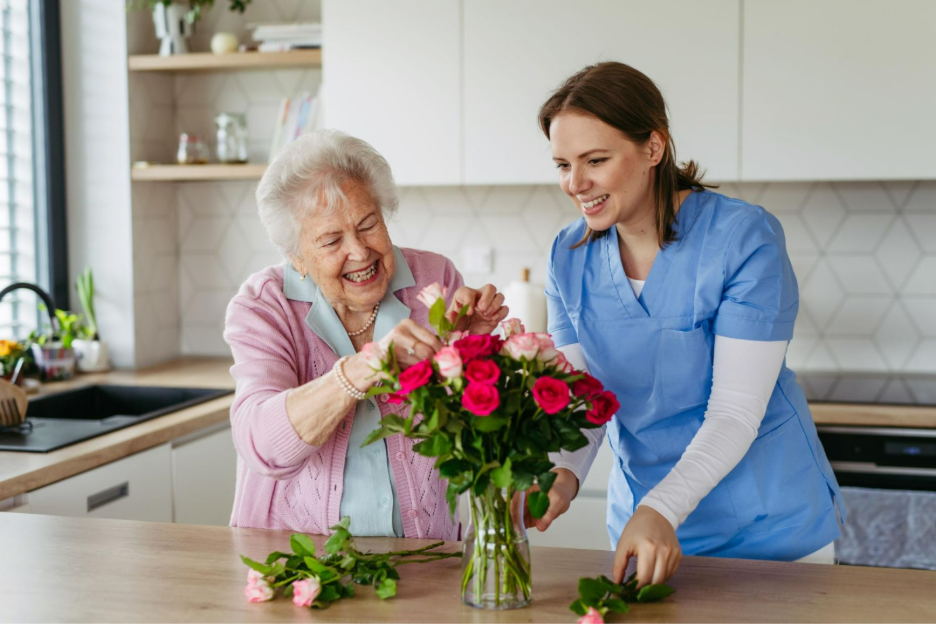
Purpose does not have to come from major accomplishments. Simple, enjoyable activities can provide opportunities for satisfaction, connection, and self-expression.
We encourage families to consider activities such as:
Activities should always reflect the person's interests, abilities, and comfort.
For example, an older adult who once enjoyed gardening might still find satisfaction in caring for a few indoor plants.
The caregiver's role is to offer encouragement and practical assistance without turning enjoyable activities into obligations.
We recognize that some older adults prefer quiet time or independent hobbies. Respecting those preferences is equally important.
By supporting meaningful participation, home care can help older adults maintain connections to the interests and routines that contribute to their identity.
Emotional comfort, companionship, independence, and familiar routines all contribute to a more supportive experience of aging at home. We believe that effective care should recognize the whole person, including their preferences, relationships, and need for meaningful daily experiences. Families considering home care services Deer Park, WA, can benefit from discussing not only practical responsibilities but also what brings their loved ones happiness and reassurance. At Angel Senior Care, we welcome conversations about how personalized nonmedical assistance can support emotional well-being while respecting individual choices. Through our home care consultation options, families can discuss companionship, daily routines, and suitable caregiving arrangements. Call (509) 326-4357 to talk about compassionate support that helps your aging parent feel connected, respected, and comfortable at home.


We pride ourselves on providing your family with an experienced, trustworthy and reliable Caregiver. Our Caregivers are dedicated to providing the best care.

